Why somatic therapy?
As a therapist, some of the most effective ways I can guide my clients toward healing and healthy coping is by guiding them through the seemingly simple steps of feeling their emotions. Trauma research has proven that emotions not only create sensations in our bodies, but that these sensations can and do get stored in our bodies if we are not able to be present in both our brain and body at the time these emotions occur. For the particularly negative experiences in life, having them stored in our bodies can have long-term consequences such as experiencing trauma responses that impair our functioning, inability to regulate ourselves in healthy ways, and a nervous system that is in a frequent state of dysregulation.
Somatic Therapy in Arlington Heights, IL

What does somatic therapy look like?
Somatic experiencing can be practiced during a time of heightened emotion (positive or negative), soon after an emotional experience when it is safe or more convenient to do so, or even when talking or thinking about an emotional experience that happened long ago. The steps I have created and will outline are based on somatic experiencing trainings I have taken and experiences I have had practicing somatic experiencing with myself, and my clients.
1. What sensations are you noticing in your body right now? (If struggling to be present in your body do some grounding with clenching/tensing different parts of your body)
2. What happens next? What thoughts, emotions, sensations do you notice after those first sensations you identified?
3. Do you need to make any adjustments physically or mentally? (stretching, walking, shaking, noises, asking yourself a question, saying something to yourself in response?)
4. What has shifted for you? What physical sensations, thoughts, and emotions do you notice now?
5. Take your time with each step.
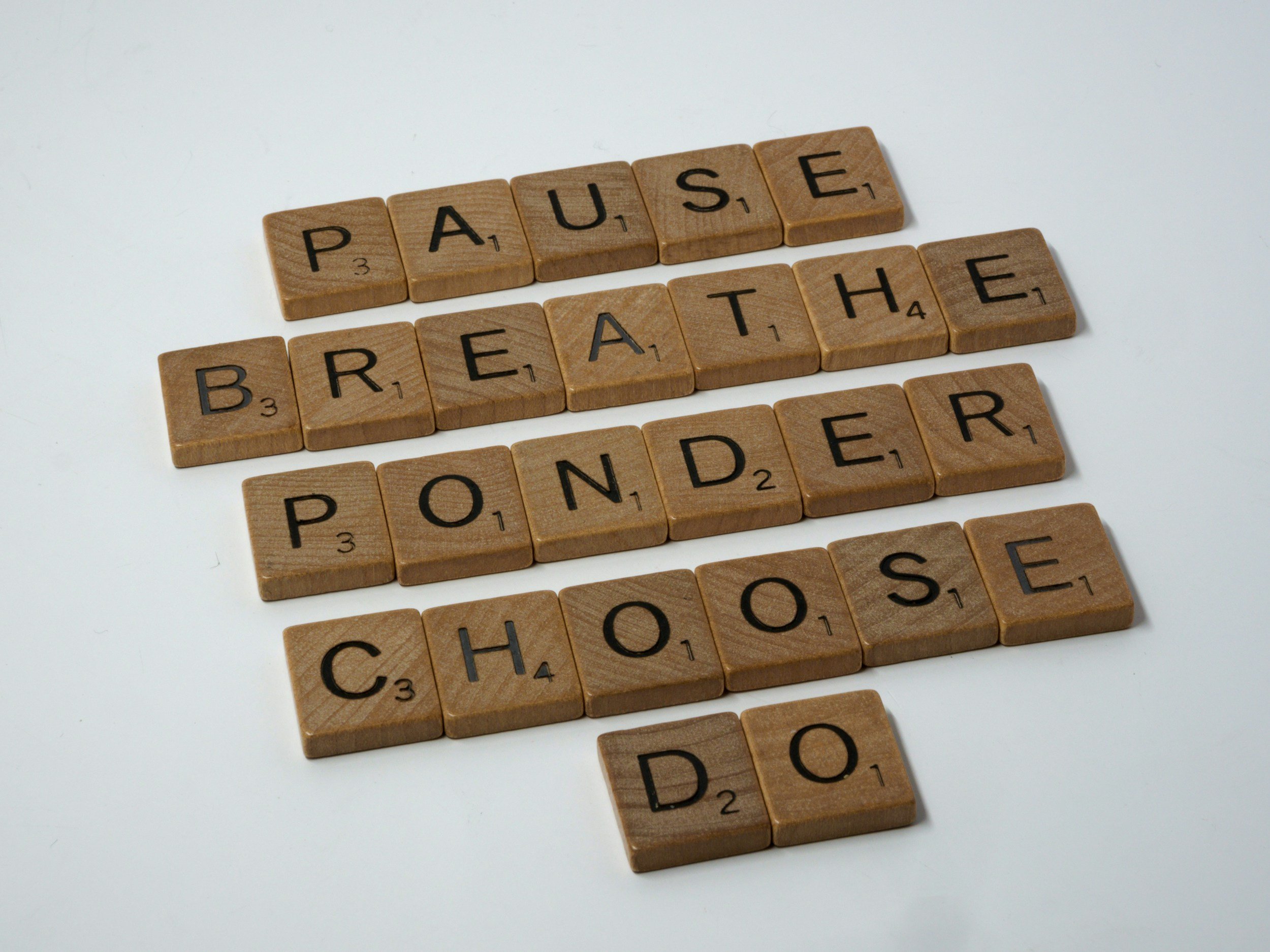
We are so used to living in our brains, we often miss what our body is telling us. When we can get our brain and body online at the same time, more frequently and more intentionally, we can create positive ripple effects for how we move through our lives. I have found that the more attuned to our emotions we become, the better ability we have to regulate ourselves and those around us. Somatic experiencing can feel so basic yet be so transformative.
Additional Therapy Services

Learn and practice coping skills that teach you how to live a life that is driven by goals and values, rather than allowing anxiety to call the shots.
Decrease repetitive thoughts, cope with worries, and stay grounded in the present moment more often.
Challenge anxiety driven thoughts that keep you stuck in the same unhelpful patterns of thinking and behaving.
Respond to stressors with greater confidence by using skills to manage the anxiety symptoms that stress causes.
Experience more moments of calm, peace, and ease on a daily basis.
Anxiety Therapy


Create a working relationship with food and your body that is driven by self-compassion, balance, acceptance, and freedom.
Challenge beliefs about food that are rooted in guilt, fear, and rigidity so they can be replaced with self-compassion based beliefs.
Foster greater appreciation and respect for your body through pyschoeducation and exposure work.
Build a relationship with eating and movement that is based in flexibility and balance instead of rigid expectations or extremes.
Explore the emotions, thoughts, and experiences that contribute to binge eating and food restriction, while developing healthier ways to cope.
Eating Disorder Therapy
Set aside intentional time and space for meaningful conversations where listening and understanding are the main goal. Guided by an unbiased professional, you can learn better ways to manage anxiety and increase connection in your relationship.
Understand how anxiety can create barriers to vulnerability, emotional intimacy, and meaningful connection.
Identify how past experiences and trauma can influence communication, behaviors, and emotional expression within the relationship.
Learn effective strategies to communicate difficult thoughts, feelings, and needs.
Become more fluent in validating each other’s emotions and appreciating differing perspectives in moments of conflict.